
 Russian
 English
 French
 Italian
 German
 Spanish
 Portuguese
 Arabic
 Japanese
The main reasons are as follows:
- The parts are small in size, complex in structure and highly precise, and ordinary processing cannot meet the precision requirements.
- Extremely high dimensional accuracy and fit clearance are required to ensure the stability of clamping, movement and positioning.
- Light alloys and hard wear-resistant materials are often used, and their shaping can only be achieved through CNC micro-machining.
- Complex structures such as thin walls, irregular shapes and micro-slots can only be fabricated through CNC micro-machining.
- Consistency and interchangeability of parts must be guaranteed to meet the batch assembly requirements of robots.
- Light weight and high strength must be achieved simultaneously to adapt to the load and dynamic movement of robots.
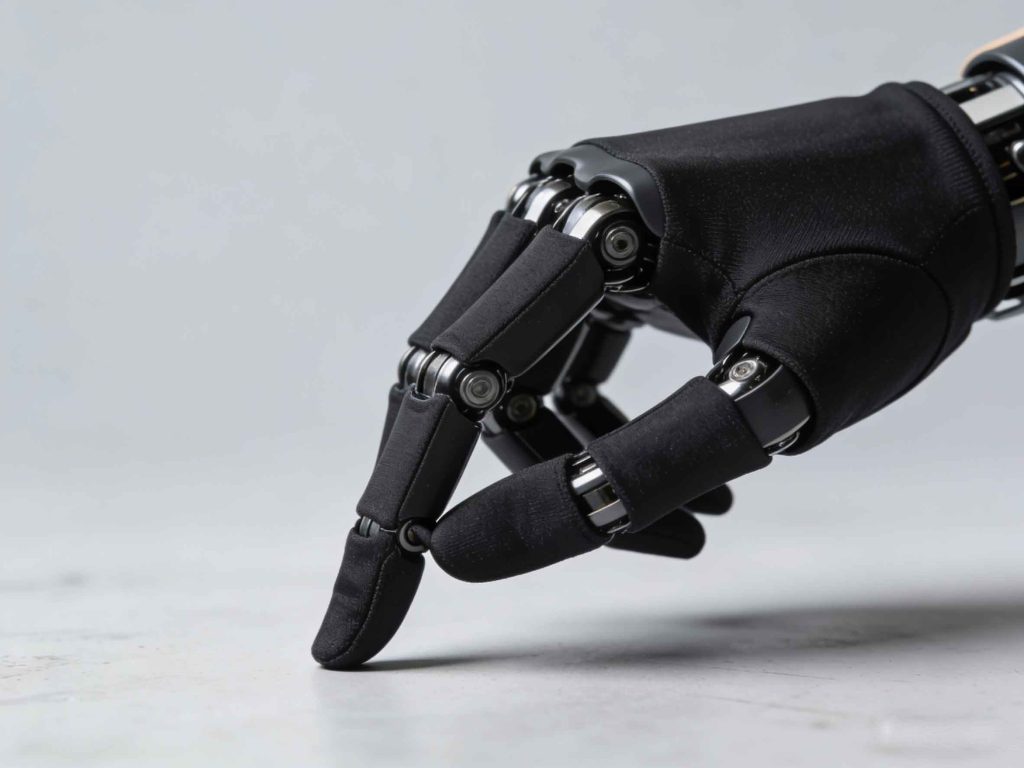
In the rapidly evolving landscape of industrial automation, robotic end-effectors—the critical interface between robots and their working environment—demand unprecedented levels of precision, reliability, and performance. As manufacturing requirements push toward micro-scale operations and sub-micron tolerances, conventional machining methods increasingly fall short of meeting these exacting demands. This comprehensive technical analysis explores why robotic end-effectors require specialized CNC micro-machining, examining the unique challenges, technological requirements, and precision solutions that define this critical manufacturing domain.
What Unique Precision Requirements Do Robotic End-Effectors Demand?
Micron-Level Tolerances and Positioning Accuracy
Robotic end-effectors operate at the forefront of automation technology, where positioning accuracy directly translates to system performance and product quality. Unlike general mechanical components, end-effectors require:
- Positional repeatability within ±0.001-0.005mm for pick-and-place operations
- Geometric tolerances (GD&T) as tight as 0.002mm for parallelism and perpendicularity
- Surface finishes ranging from Ra 0.2 to Ra 0.8 for optimal gripping and minimal wear
- Dimensional stability across thermal variations from -20°C to +80°C operating environments
These requirements stem from the integrated nature of robotic systems, where the end-effector’s precision compounds with the robot arm’s accuracy to determine overall system performance. A cumulative error of just 0.01mm can result in part misalignment, assembly failures, or quality defects in high-precision applications such as electronics assembly, medical device manufacturing, and aerospace component handling.
Complex Geometric Features and Integrated Functionality
Modern robotic end-effectors increasingly incorporate complex geometric features that challenge traditional machining capabilities:
- Undercut features for gripping mechanisms and sensor integration
- Concentric bores with ≤0.005mm runout for precision bearing alignment
- Multi-axis mounting surfaces with simultaneous flatness and angularity requirements
- Integrated fluid passages (≤1mm diameter) for pneumatic or hydraulic actuation
- Micro-threads (M1.6-M3) for sensor and actuator attachment
CNC micro-machining, particularly 5-axis machining capabilities, enables the production of these complex geometries in single setups, eliminating cumulative errors from multiple operations and ensuring optimal alignment between critical features.
How Do Material Properties Impact End-Effector Manufacturing?
High-Strength and Wear-Resistant Materials
Robotic end-effectors operate in demanding environments, requiring materials that combine:
Corrosion resistance for harsh operating environments
High strength-to-weight ratios (aluminum 7075: 572 MPa yield strength)
Wear resistance for extended service life (tool steels, hardened to HRC 45-60)
Fatigue resistance for millions of cycle operations
| Материал | Tensile Strength | Типичные области применения | Machinability Rating |
|---|---|---|---|
| Aluminum 7075-T6 | 572 MPa | Lightweight grippers, aerospace | Medium |
| Stainless Steel 17-4 PH | 930 MPa | Medical end-effectors, food processing | Low-Medium |
| Titanium Ti-6Al-4V | 950 MPa | Aerospace, corrosive environments | Low |
| Tool Steel H13 | 1550 MPa (hardened) | Wear-critical gripper jaws | Low |
| Inconel 718 | 1240 MPa | High-temperature applications | Very Low |
Material-Specific Machining Challenges
Each material class presents unique challenges that necessitate specialized CNC micro-machining approaches:
Aluminum Alloys:
- Tendency for built-up edge formation requires optimized cutting parameters
- Low rigidity necessitates specialized fixturing to prevent deformation
- High thermal conductivity demands effective chip evacuation
Stainless Steels:
- Work hardening requires sharp tools and positive rake angles
- Low thermal conductivity necessitates careful heat management
- String chip formation complicates chip evacuation in micro-features
Titanium Alloys:
- Chemical reactivity with cutting tools demands specialized coatings
- Low thermal conductivity leads to localized heat buildup
- Elastic recovery affects dimensional accuracy in micro-features
Tool Steels:
- High hardness requires carbide or CBN cutting tools
- Residual stresses from heat treatment affect dimensional stability
- Requires post-machining stress relief operations
Why Conventional Machining Methods Fall Short?
Precision and Repeatability Limitations
Traditional machining methods, including conventional CNC machining, face fundamental limitations when applied to robotic end-effector manufacturing:
Thermal Displacement Issues:
- Machine thermal drift (5-15°C change causes 10-30μm displacement)
- Cutting zone thermal expansion affects workpiece dimensions
- Ambient temperature variations affect measurement accuracy
Vibration and Chatter:
- Conventional machine designs susceptible to vibration at micro-scale
- Tool deflection (up to 0.02mm with small diameter tools)
- Harmonic vibrations from spindle and drive systems
Measurement and Feedback Limitations:
- Linear encoder resolution typically limited to 1μm
- Thermal compensation algorithms inadequate for micro-scale precision
- Lack of in-process measurement capabilities
Surface Finish and Geometric Accuracy Challenges
Conventional machining struggles to achieve the surface quality and geometric accuracy required for end-effectors:
- Surface roughness typically limited to Ra 0.4-0.8 with conventional tooling
- Tool marks and machining lines affect gripper performance
- Edge quality problems (burrs, chips) in micro-features
- Geometric errors accumulate across multiple operations
Throughput and Economic Considerations
While conventional methods can sometimes achieve acceptable quality, the economic implications are substantial:
- Multiple setups increase cycle time and error accumulation
- Hand finishing operations required for critical features
- High scrap rates due to inconsistent quality
- Extended delivery times affecting production schedules
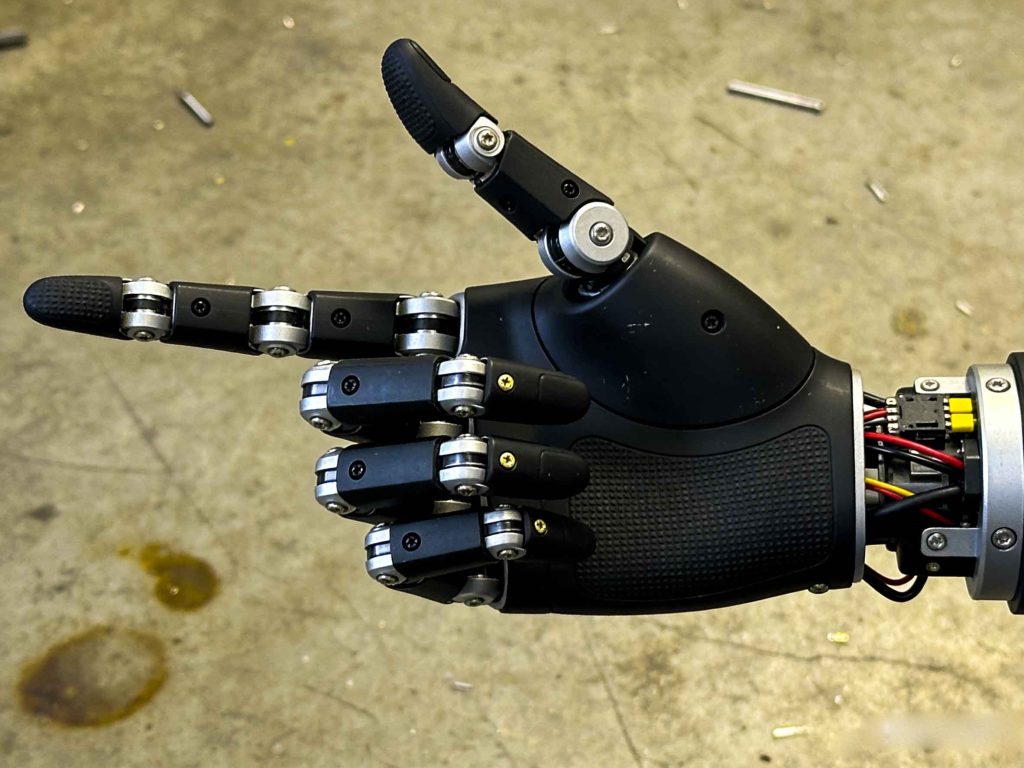
What Makes CNC Micro-Machining the Ideal Solution?
Advanced Machine Tool Capabilities
Specialized CNC micro-machining centers incorporate technologies specifically designed for precision end-effector manufacturing:
Ultra-Precise Motion Systems:
- Linear motors with 0.1μm resolution and 2m/s rapid traverse
- Hydrostatic or air-bearing guideways for frictionless motion
- Active vibration damping systems
- Temperature-controlled machine structures (±0.1°C stability)
High-Speed Precision Spindles:
- Speeds up to 60,000 RPM for micro-tooling
- Thermal stability within ±0.5°C
- Runout <0.001mm at the tool tip
- HSK-E or ISO taper interfaces for maximum rigidity
Advanced Control Systems:
- 64-bit CNC controllers with nanometer interpolation
- Real-time thermal compensation (up to 64 sensor inputs)
- Adaptive feed rate control based on cutting force feedback
- In-process probing and measurement integration
Specialized Tooling and Fixturing
Micro-machining requires cutting-edge tooling solutions:
Micro-End Mills:
- Diameters from 0.1mm to 6mm
- Carbide, PCD, or CBN tool materials
- Advanced coatings (TiAlN, diamond-like carbon)
- Geometric optimization for micro-cutting mechanics
Precision Fixturing:
- Vacuum chuck and electro-permanent magnetic chucks
- Zero-point clamping systems with <0.002mm repeatability
- Flexible fixturing for complex geometries
- Modular tooling systems for rapid changeover
Process Optimization Strategies
Effective micro-machining employs sophisticated process strategies:
Trochoidal Milling:
- Reduces cutting forces by up to 60%
- Extends tool life 3-5x
- Enables deeper cuts with small diameter tools
- Improves surface finish consistency
High-Speed Machining (HSM):
- Reduces cutting forces through high material removal rates
- Transfers heat to chips rather than workpiece
- Improves dimensional accuracy
- Reduces cycle times by 30-50%
Adaptive Machining:
- Real-time cutting force monitoring
- Automatic feed rate optimization
- Tool wear compensation
- Collision avoidance
How Does Specialized CNC Micro-Machining Enhance End-Effector Performance?
Improved Functional Performance
Precision micro-machining directly translates to enhanced end-effector capabilities:
Gripping Force Consistency:
- Surface uniformity ensures consistent friction coefficients
- Dimensional accuracy enables predictable grip force
- Reduced part variation improves process reliability
Extended Service Life:
- Optimal surface finishes reduce wear rates
- Proper material properties maintained through careful machining
- Stress-free components resist fatigue failure
Enhanced Sensing Integration:
- Precision mounting surfaces for sensors
- Integrated features for optical or tactile sensors
- Accurate sensor positioning improves measurement reliability
Economic and Operational Benefits
The investment in specialized micro-machining delivers substantial returns:
Reduced Total Cost of Ownership:
- Lower maintenance requirements (50-70% reduction)
- Extended service intervals
- Reduced spare parts inventory
- Improved production uptime
Faster Time-to-Market:
- Rapid prototyping capabilities
- Reduced iteration cycles
- Faster validation processes
- Earlier product launch
Quality Improvements:
- Reduced scrap rates (from 5-10% to <1%)
- Improved first-time yields
- Consistent part quality
- Enhanced customer satisfaction
What Are the Latest Advancements in CNC Micro-Machining for End-Effectors?
Industry 4.0 and Smart Manufacturing Integration
Modern micro-machining centers incorporate Industry 4.0 technologies:
IoT and Digital Twins:
- Real-time machine monitoring and predictive maintenance
- Virtual simulation for process optimization
- Digital thread from design through production
- Cloud-based data analytics
AI-Powered Optimization:
- Machine learning algorithms for parameter optimization
- Predictive tool life management
- Automated quality prediction
- Continuous process improvement
Advanced Materials Capabilities
New technologies expand material processing capabilities:
Ultrasonic-Assisted Machining:
- Enables machining of superalloys and ceramics
- Reduces cutting forces by up to 40%
- Improves surface finish quality
- Extends tool life 2-3x
Laser-Assisted Machining:
- Localized heating reduces cutting forces
- Enables machining of hardened materials
- Improves material removal rates
- Reduces tool wear
Multi-Process Integration
Integrated solutions streamline end-effector production:
Additive-Subtractive Hybrid Systems:
- Combines metal 3D printing with CNC machining
- Enables complex internal geometries
- Reduces material waste
- Shortens production cycles
In-Process Measurement and Control:
- Real-time dimensional verification
- Automatic tool offset compensation
- Statistical process control integration
- Quality assurance automation
How to Select a CNC Micro-Machining Partner for End-Effectors?
Technical Capabilities Assessment
When evaluating micro-machining partners, consider:
Machine Tool Infrastructure:
- Equipment specifications and capabilities
- Environmental controls (temperature, humidity)
- Measurement and inspection equipment
- Maintenance and calibration programs
Technical Expertise:
- Experience with end-effector applications
- Material-specific knowledge
- Design for Manufacturing (DFM) capabilities
- Engineering support services
Quality Assurance and Certification
Critical quality considerations include:
Certifications:
- ISO 9001:2015 Quality Management System
- ISO 13485 (for medical applications)
- AS9100 (for aerospace applications)
- IATF 16949 (for automotive applications)
Quality Processes:
- First Article Inspection (FAI) procedures
- Statistical Process Control (SPC)
- Traceability documentation
- Corrective and preventive action processes
Service and Support Capabilities
Evaluate comprehensive support capabilities:
Technical Support:
- Engineering design assistance
- Material selection guidance
- Process optimization support
- Failure analysis capabilities
Production Capabilities:
- Prototyping through production volumes
- Rapid response to changes
- Flexible scheduling options
- Global logistics support
Часто задаваемые вопросы
What is the difference between conventional CNC machining and CNC micro-machining for robotic end-effectors?
CNC micro-machining differs from conventional CNC machining in several critical aspects:
Precision and Accuracy:
- Микрообработка обеспечивает допуски ±0,001-0,005 мм по сравнению с ±0,01-0,05 мм при традиционной обработке.
- Чистота поверхности составляет Ra 0,2-0,4 по сравнению с Ra 0,8-1,6 при использовании традиционных методов обработки.
- Геометрические допуски (плоскость, параллельность) до 10 раз жестче.
Возможности станков:
- Скорость вращения шпинделя достигает 60 000 об/мин по сравнению с 10 000-15 000 об/мин.
- Линейные электроприводы с разрешением 0,1 мкм по сравнению с шариковыми винтами с разрешением 1 мкм
- Усовершенствованные системы термокомпенсации и контроля вибрации.
Инструменты и приспособления:
- Микроинструменты (диаметром 0,1-6 мм) со специальными покрытиями.
- Прецизионные системы зажима с нулевой точкой
- Вакуумные и электропостоянные магнитные зажимные устройства
Управление технологическими процессами:
- Мониторинг силы резания в реальном времени и адаптивное управление.
- Измерение в процессе производства и автоматическая компенсация
- Передовые стратегии CAM (трохоидальное фрезерование, HSM)
Приложения:
- Микрообработка специально предназначена для обработки критически важных элементов, требующих точности менее 10 мкм.
- Позволяет создавать сложные геометрические формы за одну установку.
- Поддерживает интеграцию датчиков и исполнительных механизмов с точными монтажными поверхностями.
Сколько стоит специализированная микрообработка на станках с ЧПУ по сравнению с традиционными методами?
Хотя специализированная микрообработка на станках с ЧПУ обычно требует больших первоначальных инвестиций, общая стоимость владения часто оказывается выгодной для применения в качестве концевых захватов:
Факторы стоимости:
Первоначальные затраты:
- Услуги микрообработки обычно стоят на 20-401 тонну дороже, чем услуги традиционной механической обработки.
- Дополнительные расходы на специализированный инструмент и приспособления.
- Инженерная поддержка и услуги по проектированию с учетом технологичности производства (DFM).
Экономия, связанная с качеством:
- Уровень брака для сложных деталей снизился с 5-101 тонн на тонну до <11 тонн на тонну.
- Впервые достигнуто повышение урожайности сорта 20-30%
- Снижение затрат на проверку и доработку.
Операционные преимущества:
- Увеличенный срок службы (в 2-3 раза) снижает частоту замены.
- Повышенная производительность сокращает время простоя системы.
- Сниженные требования к техническому обслуживанию
Стратегические преимущества:
- Ускоренное внедрение продуктов на рынок благодаря быстрому прототипированию.
- Снижение требований к складским запасам благодаря стабильному качеству.
- Расширенные функциональные возможности продукта позволяют устанавливать премиальные цены.
Пример сравнения общей стоимости:
Для сложной конструкции захватного механизма, требующей обработки 5 компонентов:
- Традиционный подход: $500/деталь, процент брака 8% → в среднем $540/деталь
- Метод микрообработки: $650/деталь, процент брака 0,5% → в среднем $653/деталь.
- Однако компоненты, изготовленные методом микромеханической обработки, обеспечивают в 2,5 раза больший срок службы → эффективная стоимость: $261/деталь
Какие материалы можно подвергать микрообработке для изготовления роботизированных концевых захватов?
Технология микрообработки с ЧПУ позволяет обрабатывать широкий спектр материалов для применения в роботизированных манипуляторах:
Aluminum Alloys:
- 6061-T6: Универсальный сплав, отличная обрабатываемость.
- 7075-T6: Высокая прочность для сложных условий эксплуатации.
- 2024-Т3: Усталостная прочность при циклических нагрузках
Stainless Steels:
- 17-4 PH: Высокая прочность, коррозионная стойкость
- 316L: Биосовместимый материал для медицинского применения.
- 15-5 PH: Дисперсионное твердение, высокая прочность
Titanium Alloys:
- Сплав Ti-6Al-4V: высокое соотношение прочности к весу.
- Ti-6Al-7Nb: Биосовместимый материал для медицинских эндоскопических манипуляторов.
- Коммерческая чистота: Приоритет – коррозионная стойкость.
Инструментальные стали и закаленные материалы:
- H13: Инструментальная сталь для горячей обработки, износостойкая.
- S7: Ударопрочный материал для применения в условиях ударного воздействия.
- D2: Высокая износостойкость захватных губок.
Специальные материалы:
- Инконель 718: Применение в условиях высоких температур
- Полимеры PEEK: легкие, химически стойкие.
- Бериллиевая медь: искробезопасная, проводящая.
Вопросы выбора материалов:
- Условия эксплуатации (температура, химические вещества)
- Механические требования (прочность, износостойкость, усталость)
- Ограничения по весу
- Нормативно-правовые требования (медицинские, пищевые, аэрокосмические)
- соображения стоимости
Каким стандартам качества должны соответствовать роботизированные захваты, изготовленные методом микрообработки на станках с ЧПУ?
Роботизированные концевые захваты, изготовленные с помощью микрообработки на станках с ЧПУ, должны соответствовать строгим стандартам качества, исходя из требований к применению:
ISO 9001:2015 – Системы управления качеством:
- Фундаментальное требование для всех видов высокоточной обработки материалов.
- Обеспечивает согласованность процессов контроля качества.
- Включает проектирование, разработку, производство и обслуживание.
- Требует процессов непрерывного совершенствования.
ISO 13485 – Медицинские изделия:
- Необходим для концевых захватов, используемых в производстве медицинских изделий.
- Особое внимание уделяется управлению рисками и отслеживаемости.
- Включает в себя конкретные требования к стерильным производственным помещениям.
- Требуется наличие проверенных процессов и документации.
AS9100 – Управление качеством в аэрокосмической отрасли:
- Требуется для применения в аэрокосмической отрасли.
- Включает дополнительные требования к безопасности и надежности.
- Особое внимание уделяется управлению конфигурацией и отслеживаемости.
- Требуется тщательное тестирование и проверка.
IATF 16949 – Управление качеством в автомобильной промышленности:
- Требуется для применения в автомобильной промышленности.
- Особое внимание уделяется предотвращению дефектов и снижению вариативности.
- Включает конкретные требования к управлению поставщиками.
- Требуется мониторинг процессов и постоянное совершенствование.
Дополнительные отраслевые стандарты:
- FDA 21 CFR Часть 820 (Служба квалифицированного обслуживания медицинских изделий)
- Регламент ЕС 1935/2004 (Материалы, контактирующие с пищевыми продуктами)
- MIL-STD-883 (Военное применение)
Требования к процессу обеспечения качества:
- Первичный контроль качества образца (FAI) с полной проверкой размеров.
- Статистический контроль процессов (СПК) для критических параметров
- Сертификация материалов и отслеживаемость
- Программы калибровки и технического обслуживания
- Процедуры управления несоответствиями
Сколько времени обычно занимает микрообработка на станках с ЧПУ концевых захватов роботов?
Сроки производства роботизированных концевых захватов, изготовленных на станках с ЧПУ, варьируются в зависимости от сложности, материала и объема производства:
Этап прототипирования:
- Простые детали (1-2 функции, некритичные): 3-5 рабочих дней
- Средняя сложность (5-10 функций): 5-7 рабочих дней
- Изготовление сложных деталей (более 10 элементов, жесткие допуски): 7-10 рабочих дней.
- Сборка многокомпонентных изделий: 10-15 рабочих дней.
Факторы, влияющие на сроки:
Проектирование и инженерные разработки:
- Анализ DFM и рекомендации: 1-2 дня
- Итерации и доработки дизайна: 2-5 дней
- Окончательное утверждение проекта: 1-2 дня
Закупка материалов:
- Основные материалы (6061, 304): 2-3 дня
- Специальные материалы (титан, инконель): 5-10 дней
- Изготовление сплавов по индивидуальному заказу или по заданным спецификациям: 10-20 дней.
Программирование и расстановка оборудования:
- Программирование CAM: 1-3 дня
- Проектирование и изготовление крепежных элементов: 2-5 дней
- Подготовка и проверка первого образца: 2-3 дня.
Этап производства:
- Небольшой объем (1-10 деталей): 5-10 дней после настройки.
- Средний объем (10-100 частей): 2-3 недели
- Большой объем производства (более 100 деталей): 3-6 недель при налаженном производстве.
Варианты срочного выполнения:
- Ускоренная техническая поддержка: 50-100% премиум-класса
- Приоритетная закупка материалов: дополнительные затраты
- Время работы выделенного оборудования: 25-50% премиум-класса
- Ускоренная доставка: Дополнительные транспортные расходы.
Стратегии оптимизации временной шкалы:
- Раннее вовлечение поставщиков на этапе проектирования.
- Параллельные инженерные работы
- Перед окончательным проектированием необходимо подтвердить наличие материалов.
- Четкое донесение важнейших приоритетов
- Объединенные поставки для заказов, состоящих из нескольких частей.
Заключение
Требования к точности роботизированных манипуляторов обуславливают необходимость специализированных возможностей микрообработки на станках с ЧПУ, превосходящих традиционные методы производства. Благодаря передовым технологиям станков, специализированной оснастке, сложной системе управления процессом и глубоким знаниям в области материалов, микрообработка на станках с ЧПУ обеспечивает точность на микронном уровне, превосходное качество поверхности и геометрическую точность, необходимые для высокопроизводительных роботизированных приложений.
По мере дальнейшего развития автоматизации и расширения производителями границ точности и производительности, роль специализированной микрообработки на станках с ЧПУ будет становиться все более важной. Партнерство с опытными поставщиками услуг микрообработки обеспечивает доступ к технологиям, экспертизе и системам контроля качества, необходимым для производства концевых захватов, отвечающих сегодняшним высоким требованиям и готовых к решению задач завтрашнего дня.
Инвестиции в специализированные возможности микрообработки обеспечивают существенную отдачу за счет повышения производительности, снижения общей стоимости владения и усиления конкурентных преимуществ. Для производителей, стремящихся оптимизировать свои роботизированные системы автоматизации, микрообработка на станках с ЧПУ представляет собой не просто производственный процесс, а стратегический фактор, способствующий инновациям и совершенству.
- Беспокоитесь о краже интеллектуальной собственности? Как защитить свои аппаратные разработки при аутсорсинге обработки на станках с ЧПУ?
- Деформированные детали и обработанные компоненты: предотвращение внутренних напряжений и деформаций в деталях, изготовленных на станках с ЧПУ по индивидуальному заказу.
- Столкнулись с проблемами в работе с ненадежными поставщиками станков с ЧПУ? Как выбрать надежного партнера для долгосрочной успешной работы?
- Как договориться о более выгодных ценах на станки с ЧПУ: полное руководство для покупателей, работающих с небольшими объемами заказов.
- Переплачиваете за жесткие допуски? 5 способов выбрать правильную точность ЧПУ без завышения стоимости.