
The main reasons are as follows:
- The parts are small in size, complex in structure and highly precise, and ordinary processing cannot meet the precision requirements.
- Extremely high dimensional accuracy and fit clearance are required to ensure the stability of clamping, movement and positioning.
- Light alloys and hard wear-resistant materials are often used, and their shaping can only be achieved through CNC micro-machining.
- Complex structures such as thin walls, irregular shapes and micro-slots can only be fabricated through CNC micro-machining.
- Consistency and interchangeability of parts must be guaranteed to meet the batch assembly requirements of robots.
- Light weight and high strength must be achieved simultaneously to adapt to the load and dynamic movement of robots.
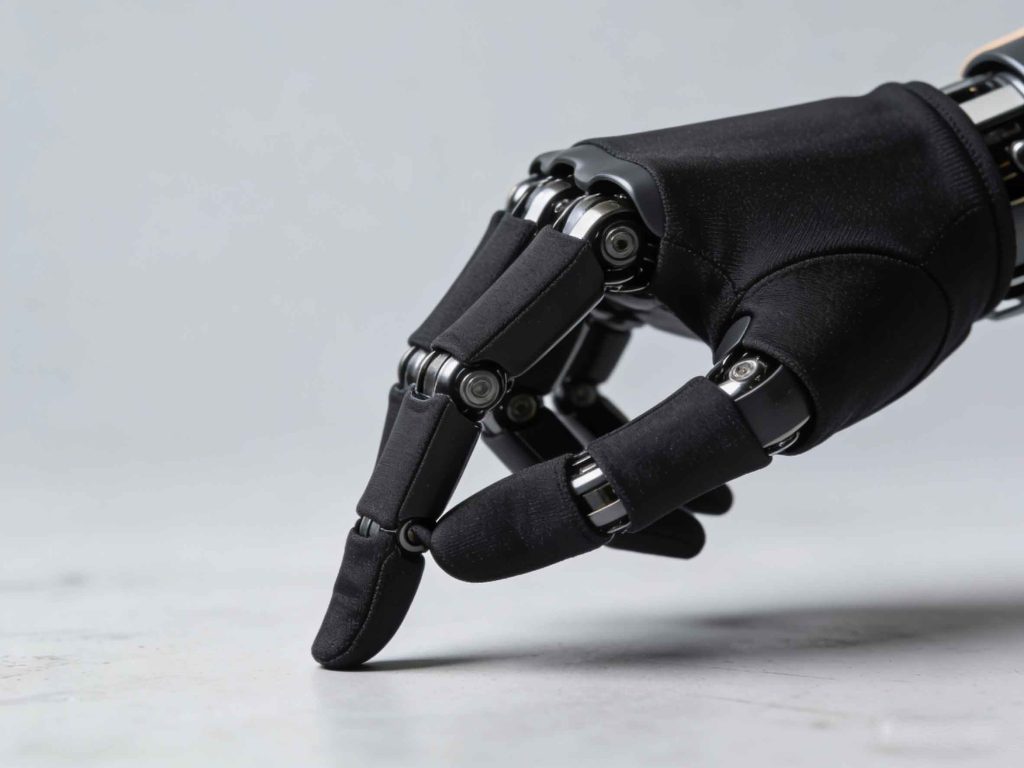
In the rapidly evolving landscape of industrial automation, robotic end-effectors—the critical interface between robots and their working environment—demand unprecedented levels of precision, reliability, and performance. As manufacturing requirements push toward micro-scale operations and sub-micron tolerances, conventional machining methods increasingly fall short of meeting these exacting demands. This comprehensive technical analysis explores why robotic end-effectors require specialized CNC micro-machining, examining the unique challenges, technological requirements, and precision solutions that define this critical manufacturing domain.
What Unique Precision Requirements Do Robotic End-Effectors Demand?
Micron-Level Tolerances and Positioning Accuracy
Robotic end-effectors operate at the forefront of automation technology, where positioning accuracy directly translates to system performance and product quality. Unlike general mechanical components, end-effectors require:
- Positional repeatability within ±0.001-0.005mm for pick-and-place operations
- Geometric tolerances (GD&T) as tight as 0.002mm for parallelism and perpendicularity
- Surface finishes ranging from Ra 0.2 to Ra 0.8 for optimal gripping and minimal wear
- Dimensional stability across thermal variations from -20°C to +80°C operating environments
These requirements stem from the integrated nature of robotic systems, where the end-effector’s precision compounds with the robot arm’s accuracy to determine overall system performance. A cumulative error of just 0.01mm can result in part misalignment, assembly failures, or quality defects in high-precision applications such as electronics assembly, medical device manufacturing, and aerospace component handling.
Complex Geometric Features and Integrated Functionality
Modern robotic end-effectors increasingly incorporate complex geometric features that challenge traditional machining capabilities:
- Undercut features for gripping mechanisms and sensor integration
- Concentric bores with ≤0.005mm runout for precision bearing alignment
- Multi-axis mounting surfaces with simultaneous flatness and angularity requirements
- Integrated fluid passages (≤1mm diameter) for pneumatic or hydraulic actuation
- Micro-threads (M1.6-M3) for sensor and actuator attachment
CNC micro-machining, particularly 5-axis machining capabilities, enables the production of these complex geometries in single setups, eliminating cumulative errors from multiple operations and ensuring optimal alignment between critical features.
How Do Material Properties Impact End-Effector Manufacturing?
High-Strength and Wear-Resistant Materials
Robotic end-effectors operate in demanding environments, requiring materials that combine:
Corrosion resistance for harsh operating environments
High strength-to-weight ratios (aluminum 7075: 572 MPa yield strength)
Wear resistance for extended service life (tool steels, hardened to HRC 45-60)
Fatigue resistance for millions of cycle operations
| مواد | Tensile Strength | التطبيقات النموذجية | Machinability Rating |
|---|---|---|---|
| Aluminum 7075-T6 | 572 MPa | Lightweight grippers, aerospace | Medium |
| Stainless Steel 17-4 PH | 930 MPa | Medical end-effectors, food processing | Low-Medium |
| Titanium Ti-6Al-4V | 950 MPa | Aerospace, corrosive environments | Low |
| Tool Steel H13 | 1550 MPa (hardened) | Wear-critical gripper jaws | Low |
| Inconel 718 | 1240 MPa | High-temperature applications | Very Low |
Material-Specific Machining Challenges
Each material class presents unique challenges that necessitate specialized CNC micro-machining approaches:
Aluminum Alloys:
- Tendency for built-up edge formation requires optimized cutting parameters
- Low rigidity necessitates specialized fixturing to prevent deformation
- High thermal conductivity demands effective chip evacuation
Stainless Steels:
- Work hardening requires sharp tools and positive rake angles
- Low thermal conductivity necessitates careful heat management
- String chip formation complicates chip evacuation in micro-features
Titanium Alloys:
- Chemical reactivity with cutting tools demands specialized coatings
- Low thermal conductivity leads to localized heat buildup
- Elastic recovery affects dimensional accuracy in micro-features
Tool Steels:
- High hardness requires carbide or CBN cutting tools
- Residual stresses from heat treatment affect dimensional stability
- Requires post-machining stress relief operations
Why Conventional Machining Methods Fall Short?
Precision and Repeatability Limitations
Traditional machining methods, including conventional CNC machining, face fundamental limitations when applied to robotic end-effector manufacturing:
Thermal Displacement Issues:
- Machine thermal drift (5-15°C change causes 10-30μm displacement)
- Cutting zone thermal expansion affects workpiece dimensions
- Ambient temperature variations affect measurement accuracy
Vibration and Chatter:
- Conventional machine designs susceptible to vibration at micro-scale
- Tool deflection (up to 0.02mm with small diameter tools)
- Harmonic vibrations from spindle and drive systems
Measurement and Feedback Limitations:
- Linear encoder resolution typically limited to 1μm
- Thermal compensation algorithms inadequate for micro-scale precision
- Lack of in-process measurement capabilities
Surface Finish and Geometric Accuracy Challenges
Conventional machining struggles to achieve the surface quality and geometric accuracy required for end-effectors:
- Surface roughness typically limited to Ra 0.4-0.8 with conventional tooling
- Tool marks and machining lines affect gripper performance
- Edge quality problems (burrs, chips) in micro-features
- Geometric errors accumulate across multiple operations
Throughput and Economic Considerations
While conventional methods can sometimes achieve acceptable quality, the economic implications are substantial:
- Multiple setups increase cycle time and error accumulation
- Hand finishing operations required for critical features
- High scrap rates due to inconsistent quality
- Extended delivery times affecting production schedules
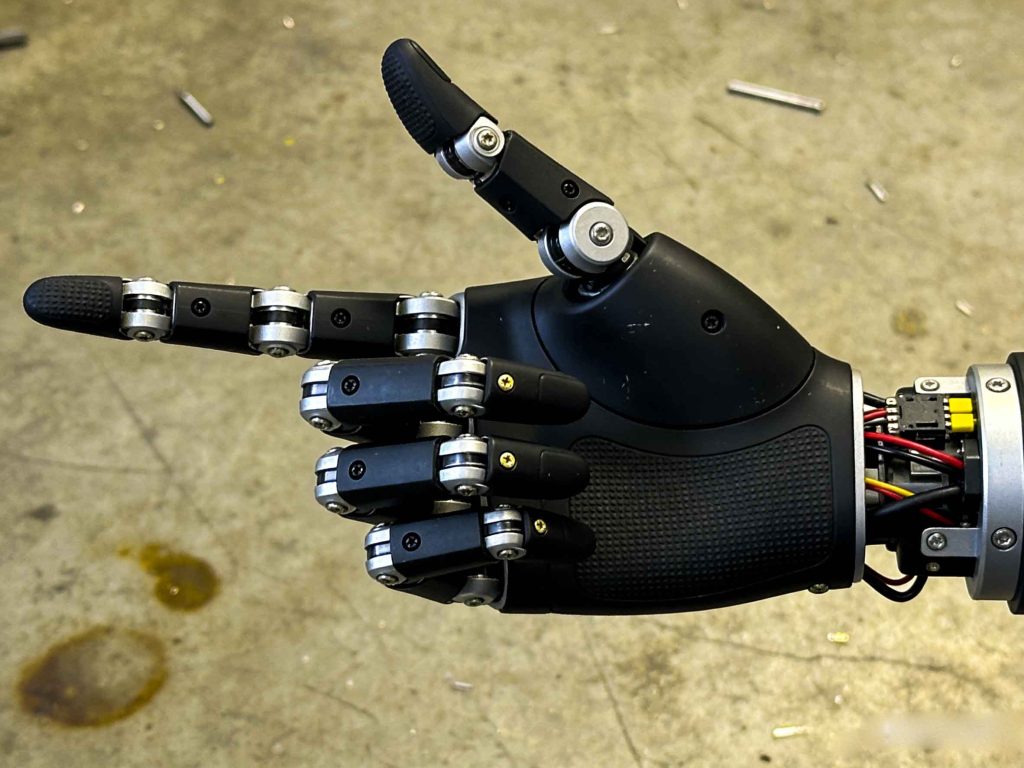
What Makes CNC Micro-Machining the Ideal Solution?
Advanced Machine Tool Capabilities
Specialized CNC micro-machining centers incorporate technologies specifically designed for precision end-effector manufacturing:
Ultra-Precise Motion Systems:
- Linear motors with 0.1μm resolution and 2m/s rapid traverse
- Hydrostatic or air-bearing guideways for frictionless motion
- Active vibration damping systems
- Temperature-controlled machine structures (±0.1°C stability)
High-Speed Precision Spindles:
- Speeds up to 60,000 RPM for micro-tooling
- Thermal stability within ±0.5°C
- Runout <0.001mm at the tool tip
- HSK-E or ISO taper interfaces for maximum rigidity
Advanced Control Systems:
- 64-bit CNC controllers with nanometer interpolation
- Real-time thermal compensation (up to 64 sensor inputs)
- Adaptive feed rate control based on cutting force feedback
- In-process probing and measurement integration
Specialized Tooling and Fixturing
Micro-machining requires cutting-edge tooling solutions:
Micro-End Mills:
- Diameters from 0.1mm to 6mm
- Carbide, PCD, or CBN tool materials
- Advanced coatings (TiAlN, diamond-like carbon)
- Geometric optimization for micro-cutting mechanics
Precision Fixturing:
- Vacuum chuck and electro-permanent magnetic chucks
- Zero-point clamping systems with <0.002mm repeatability
- Flexible fixturing for complex geometries
- Modular tooling systems for rapid changeover
Process Optimization Strategies
Effective micro-machining employs sophisticated process strategies:
Trochoidal Milling:
- Reduces cutting forces by up to 60%
- Extends tool life 3-5x
- Enables deeper cuts with small diameter tools
- Improves surface finish consistency
High-Speed Machining (HSM):
- Reduces cutting forces through high material removal rates
- Transfers heat to chips rather than workpiece
- Improves dimensional accuracy
- Reduces cycle times by 30-50%
Adaptive Machining:
- Real-time cutting force monitoring
- Automatic feed rate optimization
- Tool wear compensation
- Collision avoidance
How Does Specialized CNC Micro-Machining Enhance End-Effector Performance?
Improved Functional Performance
Precision micro-machining directly translates to enhanced end-effector capabilities:
Gripping Force Consistency:
- Surface uniformity ensures consistent friction coefficients
- Dimensional accuracy enables predictable grip force
- Reduced part variation improves process reliability
Extended Service Life:
- Optimal surface finishes reduce wear rates
- Proper material properties maintained through careful machining
- Stress-free components resist fatigue failure
Enhanced Sensing Integration:
- Precision mounting surfaces for sensors
- Integrated features for optical or tactile sensors
- Accurate sensor positioning improves measurement reliability
Economic and Operational Benefits
The investment in specialized micro-machining delivers substantial returns:
Reduced Total Cost of Ownership:
- Lower maintenance requirements (50-70% reduction)
- Extended service intervals
- Reduced spare parts inventory
- Improved production uptime
Faster Time-to-Market:
- Rapid prototyping capabilities
- Reduced iteration cycles
- Faster validation processes
- Earlier product launch
Quality Improvements:
- Reduced scrap rates (from 5-10% to <1%)
- Improved first-time yields
- Consistent part quality
- Enhanced customer satisfaction
What Are the Latest Advancements in CNC Micro-Machining for End-Effectors?
Industry 4.0 and Smart Manufacturing Integration
Modern micro-machining centers incorporate Industry 4.0 technologies:
IoT and Digital Twins:
- Real-time machine monitoring and predictive maintenance
- Virtual simulation for process optimization
- Digital thread from design through production
- Cloud-based data analytics
AI-Powered Optimization:
- Machine learning algorithms for parameter optimization
- Predictive tool life management
- Automated quality prediction
- Continuous process improvement
Advanced Materials Capabilities
New technologies expand material processing capabilities:
Ultrasonic-Assisted Machining:
- Enables machining of superalloys and ceramics
- Reduces cutting forces by up to 40%
- Improves surface finish quality
- Extends tool life 2-3x
Laser-Assisted Machining:
- Localized heating reduces cutting forces
- Enables machining of hardened materials
- Improves material removal rates
- Reduces tool wear
Multi-Process Integration
Integrated solutions streamline end-effector production:
Additive-Subtractive Hybrid Systems:
- Combines metal 3D printing with CNC machining
- Enables complex internal geometries
- Reduces material waste
- Shortens production cycles
In-Process Measurement and Control:
- Real-time dimensional verification
- Automatic tool offset compensation
- Statistical process control integration
- Quality assurance automation
How to Select a CNC Micro-Machining Partner for End-Effectors?
Technical Capabilities Assessment
When evaluating micro-machining partners, consider:
Machine Tool Infrastructure:
- Equipment specifications and capabilities
- Environmental controls (temperature, humidity)
- Measurement and inspection equipment
- Maintenance and calibration programs
Technical Expertise:
- Experience with end-effector applications
- Material-specific knowledge
- Design for Manufacturing (DFM) capabilities
- Engineering support services
Quality Assurance and Certification
Critical quality considerations include:
Certifications:
- ISO 9001:2015 Quality Management System
- ISO 13485 (for medical applications)
- AS9100 (for aerospace applications)
- IATF 16949 (for automotive applications)
Quality Processes:
- First Article Inspection (FAI) procedures
- Statistical Process Control (SPC)
- Traceability documentation
- Corrective and preventive action processes
Service and Support Capabilities
Evaluate comprehensive support capabilities:
Technical Support:
- Engineering design assistance
- Material selection guidance
- Process optimization support
- Failure analysis capabilities
Production Capabilities:
- Prototyping through production volumes
- Rapid response to changes
- Flexible scheduling options
- Global logistics support
التعليمات
What is the difference between conventional CNC machining and CNC micro-machining for robotic end-effectors?
CNC micro-machining differs from conventional CNC machining in several critical aspects:
Precision and Accuracy:
- Micro-machining achieves tolerances of ±0.001-0.005mm versus ±0.01-0.05mm for conventional machining
- Surface finishes of Ra 0.2-0.4 versus Ra 0.8-1.6 for conventional processes
- التفاوتات الهندسية (التسطيح، التوازي) أدق حتى 10 مرات
قدرات أدوات الآلات:
- سرعات دوران المغزل تصل إلى 60000 دورة في الدقيقة مقابل 10000-15000 دورة في الدقيقة
- محركات خطية بدقة 0.1 ميكرومتر مقابل براغي كروية بدقة 1 ميكرومتر
- أنظمة متطورة للتعويض الحراري والتحكم في الاهتزازات
الأدوات والتجهيزات:
- أدوات دقيقة (قطرها من 0.1 إلى 6 مم) مع طلاءات متخصصة
- أنظمة تثبيت دقيقة بنقطة الصفر
- التثبيت الفراغي والمغناطيسي الكهرومغناطيسي الدائم
التحكم في العمليات:
- مراقبة قوة القطع في الوقت الفعلي والتحكم التكيفي
- القياس أثناء العملية والتعويض التلقائي
- استراتيجيات التصنيع بمساعدة الحاسوب المتقدمة (الطحن الحلقي، الطحن عالي السرعة)
التطبيقات:
- تستهدف عمليات التصنيع الدقيق على وجه التحديد الميزات الحرجة التي تتطلب دقة أقل من 10 ميكرومتر
- يُمكّن من إنتاج أشكال هندسية معقدة في عملية إعداد واحدة.
- يدعم دمج أجهزة الاستشعار والمحركات مع أسطح تثبيت دقيقة
كم تبلغ تكلفة التصنيع الدقيق باستخدام الحاسوب (CNC) مقارنةً بالطرق التقليدية؟
على الرغم من أن التصنيع الدقيق باستخدام الحاسوب (CNC) يتطلب عادةً استثمارًا أوليًا أعلى، إلا أن التكلفة الإجمالية للملكية غالبًا ما تكون مواتية لتطبيقات أداة النهاية:
عوامل التكلفة:
التكاليف الأولية:
- عادةً ما تكلف خدمات التصنيع الدقيق ما بين 20 إلى 401 ضعف تكلفة التصنيع التقليدي.
- تكاليف إضافية للأدوات والتجهيزات المتخصصة
- خدمات الدعم الهندسي وخدمات التصميم للتصنيع
التوفير المرتبط بالجودة:
- انخفضت معدلات الخردة من 5-10% إلى أقل من 1% للأجزاء المعقدة
- تحسينات في المحصول لأول مرة بنسبة 20-30%
- انخفاض تكاليف الفحص وإعادة العمل
الفوائد التشغيلية:
- عمر خدمة ممتد (2-3 أضعاف) يقلل من وتيرة الاستبدال
- تحسين الأداء يقلل من وقت تعطل النظام
- متطلبات صيانة أقل
المزايا الاستراتيجية:
- تسريع وقت طرح المنتج في السوق من خلال النماذج الأولية السريعة
- انخفاض متطلبات المخزون بفضل الجودة المتسقة
- تتيح إمكانيات المنتج المحسّنة التسعير المتميز
مثال على مقارنة التكلفة الإجمالية:
بالنسبة لمجموعة ماسك معقدة تتطلب 5 مكونات مصنعة آلياً:
- النهج التقليدي: معدل الخردة $500/قطعة، 8% ← متوسط $540/قطعة
- نهج التصنيع الدقيق: $650/قطعة، معدل الخردة 0.5% ← متوسط $653/قطعة
- مع ذلك، توفر المكونات المصنعة بتقنية التصنيع الدقيق عمرًا أطول بمقدار 2.5 مرة ← التكلفة الفعلية: $261/قطعة
ما هي المواد التي يمكن تصنيعها بتقنية التصنيع الدقيق لأدوات الروبوتات الطرفية؟
تدعم عمليات التصنيع الدقيق باستخدام الحاسوب مجموعة واسعة من المواد لتطبيقات المؤثرات النهائية للروبوتات:
Aluminum Alloys:
- 6061-T6: متعدد الأغراض، قابلية تشغيل ممتازة
- 7075-T6: قوة عالية للتطبيقات الصعبة
- 2024-T3: مقاوم للإجهاد الناتج عن التحميل الدوري
Stainless Steels:
- 17-4 PH: قوة عالية، مقاومة للتآكل
- 316L: متوافق حيويًا للتطبيقات الطبية
- 15-5 PH: تصلب بالترسيب، قوة عالية
Titanium Alloys:
- Ti-6Al-4V: نسبة عالية من القوة إلى الوزن
- Ti-6Al-7Nb: متوافق حيويًا مع المؤثرات النهائية الطبية
- نقاء تجاري: أولوية مقاومة التآكل
فولاذ الأدوات والمواد المقساة:
- H13: فولاذ أدوات العمل الساخن، مقاوم للتآكل
- S7: مقاوم للصدمات لتطبيقات الصدمات
- D2: مقاومة عالية للتآكل لفكوك الماسك
مواد متخصصة:
- إنكونيل 718: تطبيقات درجات الحرارة العالية
- بوليمرات PEEK: خفيفة الوزن، مقاومة للمواد الكيميائية
- نحاس البريليوم: غير قابل للاشتعال، موصل للكهرباء
اعتبارات اختيار المواد:
- بيئة التشغيل (درجة الحرارة، المواد الكيميائية)
- المتطلبات الميكانيكية (القوة، التآكل، الإجهاد)
- قيود الميزانية
- المتطلبات التنظيمية (الطبية، الغذائية، الفضائية)
- اعتبارات التكلفة
ما هي معايير الجودة التي يجب أن تستوفيها الأدوات الطرفية الروبوتية المصنعة بواسطة التصنيع الدقيق باستخدام الحاسوب؟
ينبغي أن تستوفي الأدوات الطرفية الروبوتية المنتجة من خلال التصنيع الدقيق باستخدام الحاسوب معايير جودة صارمة بناءً على متطلبات التطبيق:
ISO 9001:2015 – أنظمة إدارة الجودة:
- متطلب أساسي لجميع عمليات التصنيع الدقيقة
- يضمن عمليات مراقبة الجودة المتسقة
- يشمل التصميم والتطوير والإنتاج والخدمة
- يتطلب عمليات تحسين مستمرة
ISO 13485 – الأجهزة الطبية:
- مطلوب للأدوات النهائية المستخدمة في تصنيع الأجهزة الطبية
- يركز على إدارة المخاطر وإمكانية التتبع
- يتضمن متطلبات محددة لبيئات التصنيع المعقمة
- يتطلب ذلك عمليات ووثائق معتمدة
AS9100 – إدارة الجودة في مجال الطيران والفضاء:
- مطلوب لتطبيقات الفضاء الجوي
- يتضمن متطلبات إضافية للسلامة والموثوقية
- يركز على إدارة التكوين وإمكانية التتبع
- يتطلب ذلك اختبارًا وتحققًا دقيقين
IATF 16949 – إدارة الجودة في صناعة السيارات:
- مطلوب لتطبيقات تصنيع السيارات
- يركز على منع العيوب وتقليل التباين
- يتضمن متطلبات محددة لإدارة الموردين
- يتطلب ذلك مراقبة العمليات والتحسين المستمر
معايير إضافية خاصة بالصناعة:
- FDA 21 CFR الجزء 820 (نظام إدارة الجودة للأجهزة الطبية)
- EC 1935/2004 (مواد ملامسة الطعام)
- MIL-STD-883 (التطبيقات العسكرية)
متطلبات عملية الجودة:
- فحص العينة الأولى (FAI) مع التحقق الكامل من الأبعاد
- التحكم الإحصائي في العمليات (SPC) للأبعاد الحرجة
- شهادات المواد وإمكانية التتبع
- برامج المعايرة والصيانة
- إجراءات إدارة حالات عدم المطابقة
كم من الوقت يستغرق عادةً تصنيع الأدوات الطرفية الروبوتية باستخدام تقنية CNC الدقيقة؟
تختلف الجداول الزمنية لإنتاج المؤثرات النهائية الروبوتية المصنعة بتقنية CNC الدقيقة بناءً على التعقيد والمادة والحجم:
مرحلة النمذجة الأولية:
- الأجزاء البسيطة (ميزة أو ميزتان، غير حرجة): من 3 إلى 5 أيام عمل
- مستوى تعقيد متوسط (5-10 ميزات): 5-7 أيام عمل
- الأجزاء المعقدة (أكثر من 10 ميزات، دقة عالية): 7-10 أيام عمل
- التجميعات متعددة الأجزاء: 10-15 يوم عمل
العوامل المؤثرة على الجدول الزمني:
التصميم والهندسة:
- مراجعة وتوصيات إدارة الغذاء والدواء: من يوم إلى يومين
- مراحل التصميم والتعديلات: من يومين إلى خمسة أيام
- الموافقة النهائية على التصميم: من يوم إلى يومين
شراء المواد:
- المواد الشائعة (6061، 304): 2-3 أيام
- المواد الخاصة (التيتانيوم، إنكونيل): 5-10 أيام
- سبائك أو مواصفات مخصصة: 10-20 يومًا
البرمجة والتجهيز:
- برمجة CAM: من يوم إلى ثلاثة أيام
- تصميم وتصنيع التجهيزات: من يومين إلى خمسة أيام
- إعداد المقالة الأولى والتحقق من صحتها: ٢-٣ أيام
مرحلة الإنتاج:
- حجم منخفض (1-10 أجزاء): 5-10 أيام بعد الإعداد
- حجم متوسط (10-100 جزء): 2-3 أسابيع
- إنتاج كميات كبيرة (أكثر من 100 قطعة): من 3 إلى 6 أسابيع مع وجود خط إنتاج قائم
خيارات الاستعجال:
- دعم هندسي سريع: 50-100% بريميوم
- أولوية شراء المواد: تكلفة إضافية
- وقت تشغيل مخصص للآلة: 25-50% ممتاز
- الشحن السريع: تكاليف شحن إضافية
استراتيجيات تحسين الجدول الزمني:
- Early supplier involvement during design phase
- Concurrent engineering activities
- Material availability confirmation before final design
- Clear communication of critical priorities
- Consolidated shipments for multi-part orders
Conclusion
The precision requirements of robotic end-effectors demand specialized CNC micro-machining capabilities that exceed conventional manufacturing methods. Through advanced machine tool technologies, specialized tooling, sophisticated process control, and deep material expertise, CNC micro-machining delivers the micron-level accuracy, superior surface finishes, and geometric precision essential for high-performance robotic applications.
As automation continues to advance and manufacturers push the boundaries of precision and productivity, the role of specialized CNC micro-machining will become increasingly critical. Partnering with experienced micro-machining providers ensures access to the technology, expertise, and quality systems necessary to produce end-effectors that meet today’s demanding requirements while positioning for tomorrow’s challenges.
Investment in specialized micro-machining capabilities delivers compelling returns through improved performance, reduced total cost of ownership, and enhanced competitive advantage. For manufacturers seeking to optimize their robotic automation systems, CNC micro-machining represents not just a manufacturing process, but a strategic enabler of innovation and excellence.
- هل أنت قلق بشأن سرقة الملكية الفكرية؟ كيف تحمي تصميمات أجهزتك عند الاستعانة بمصادر خارجية لتصنيعها باستخدام آلات CNC؟
- الأجزاء المشوهة والمكونات المصنعة آليًا المشوهة: منع الإجهاد الداخلي والتشوه في الأجزاء المصنعة باستخدام الحاسوب (CNC) المخصصة
- هل تواجه صعوبة مع موردي آلات CNC غير الموثوق بهم؟ كيف تختار شريكًا موثوقًا لتصنيع الآلات حسب الطلب لتحقيق النجاح على المدى الطويل؟
- كيفية التفاوض على أسعار أفضل لآلات CNC: دليل شامل للمشترين بكميات قليلة
- هل تدفع مبالغ زائدة مقابل دقة عالية؟ 5 طرق لتحديد دقة CNC المناسبة دون زيادة التكاليف

 Arabic
  English
  French
  Italian
  German
  Spanish
  Portuguese
  Russian
  Japanese